Mastering Modern Style: Your Essential Guide to Navigating Today’s Fashion Landscape
Anúncios
Is your closet packed with clothes, yet you constantly feel like you have nothing to wear? You’re not alone. In an age saturated with social media micro-trends and celebrity street style, the pressure to keep up can be overwhelming. The constant stream of ‘must-have’ items creates a dizzying cycle of consumption that leaves many feeling disconnected from their own sense of self, buried under a pile of impulse buys that felt relevant for only a moment.
This fashion fatigue stems from a basic misunderstanding of modern style. The landscape has shifted away from rigid, top-down rules dictated by high fashion houses. Instead, it’s a dynamic conversation influenced by everything from blockbuster films to viral TikTok aesthetics. The challenge isn’t to follow every new directive, but to learn how to filter the noise. It requires separating fleeting fads from foundational style principles and understanding how to draw inspiration from celebrity culture without losing your own identity in the process.
Anúncios
So, where do you begin? This guide serves as your required roadmap. We’ll break down how to build a versatile core wardrobe that outlasts the hype, offering a blueprint for smart, sustainable shopping. You’ll learn the art of translating high-concept celebrity looks into practical, everyday outfits and discover how to use accessories to elevate any look. Forget chasing trends—it’s time to develop a confident, authentic style that reflects who you are.
Decoding Today’s Fashion Language: Beyond the Hype
Forget everything you think you know about trends. The modern fashion landscape isn’t about following rules; it’s about understanding the chaotic language of style to write your own story. Trying to keep up with every micro-trend bubbling up from social media is like trying to catch rain in a thimble—pointless and exhausting. A recent analysis from Lyst suggests the average lifespan of a viral fashion item is now under 5 weeks, a dizzying pace for anyone’s closet or wallet.
What most people miss is the critical difference between a fleeting fad and an enduring style. Fads are the sugar rush of fashion; think of a specific, viral accessory that’s everywhere for a month and then vanishes. Style, is the foundation. It’s the silhouette of a great pair of jeans, the confidence of a well-cut blazer, or the personal comfort of your favorite sneakers.
Anúncios
Key aesthetics currently dominate the conversation, from the understated elegance of ‘quiet luxury’ to the bold nostalgia of the ‘Y2K revival.’ These larger movements are often influenced by the constant churn of celebrity culture and lifestyle trends, which can make them feel intimidating. But how do you filter the noise? Start by asking simple questions. What clothes make you feel most like yourself? What pieces do you consistently reach for? The answers are the first clues to building your personal style.
The real goal isn’t to chase every new thing. It’s to learn how to pick the elements that resonate with you, creating a wardrobe that outlasts the hype and reflects who you are.
Celebrity Influence: Separating Inspiration from Imitation
Celebrity style is everywhere you look. From red carpets to street-style paparazzi shots, what stars wear instantly becomes a global conversation. The power they hold is immense. A recent report from the Fashion Institute of Technology suggests that a single Instagram post from a top-tier celebrity can generate up to $2.3 million in media impact value for a brand. This creates a direct pipeline from their closet to yours.
But the underrated factor here is the team behind the look. What most people miss is that a celebrity’s outfit is rarely just their own choice. It’s a calculated business decision orchestrated by professional stylists, publicists, and brand partners. Their goal is to build a distinct personal brand. Your goal should be to borrow elements, not to become a carbon copy.
Identifying Your Style Icons and Their Impact
Finding your style icons is less about obsession and more about observation. Start by identifying celebrities whose overall aesthetic resonates with you. Are you drawn to the effortless cool of Zoë Kravitz or the polished, classic choices of Zendaya? Look past the specific designer gown and analyze the core components: the silhouettes they favor, their color palettes, and how they accessorize. This is about deconstruction, not duplication.
Celebrity stylist Chloe Hart often says, “A great look is 70% fit and confidence, 30% the actual clothes.” This perspective is key. Pay attention to how a celebrity carries themselves in an outfit. Their posture and attitude are just as much a part of the “style” as the jacket they’re wearing. The real takeaway isn’t the $5,000 handbag, but the way they use a simple accessory to tie an entire outfit together. It’s an approach that helps make sense of the constant stream of updates shaking up celebrity culture and lifestyle trends.
Translating Red Carpet to Real Life: Practical Steps
So how do you take a look from a Hollywood premiere and wear it to the grocery store? The trick is to isolate a single idea. Think of it like cooking a complex recipe; you might not replicate the entire dish, but you can borrow the spice blend for your own chicken. If a celebrity wears a monochrome neon green suit, you can adopt the monochrome part with a more wearable color, like navy or beige. If they rock a dramatic feathered coat, you could find a textured top that gives a similar feel without the spectacle.
This process of adaptation is where true personal style develops. It’s about filtering high fashion through your own life, budget, and comfort level (because let’s be honest, most of us aren’t walking around in couture). But blindly following every trend can be a trap. It’s a fast track to a closet full of expensive mistakes and a lingering sense of not feeling like yourself. Before you jump on the latest bandwagon, consider the potential outcomes.
Pros and Cons of Following Celebrity Trends
- Pro: Staying Current. Following celebrity style is an easy way to stay informed about what’s new and relevant in fashion.
- Con: Cost and Waste. Chasing micro-trends pushed by celebrities can be expensive and encourages a cycle of disposable fashion, with studies from firms like McKinsey showing a 60% increase in the number of garments purchased per capita compared to 15 years ago.
- Pro: Discovering New Ideas. Celebrities can expose you to new designers, silhouettes, and color combinations you might not have considered.
- Con: Losing Your Identity. Over-reliance on celebrity looks can prevent you from developing a unique personal style that reflects who you are.
Ultimately, using celebrity looks as a starting point is a powerful tool. The challenge is to remain the editor of your own wardrobe, not just a subscriber to someone else’s.
A great look is 70% fit and confidence, 30% the actual clothes.
— Chloe Hart, Celebrity Stylist
| Core Item | Key Features | Why It’s Essential |
|---|---|---|
| White T-Shirt | Quality fabric (Pima cotton), excellent fit | The ultimate versatile base layer for any outfit. |
| Dark-Wash Denim | Classic cut (straight or slim), no distressing | Can be dressed up or down for maximum flexibility. |
| Trench or Overcoat | Neutral color (camel, black, navy), structured silhouette | Instantly elevates any look and provides timeless style. |
| Versatile Knitwear | Natural fibers (merino, cashmere blend), neutral color | Perfect for layering without adding bulk. |
| Black Trousers / Leggings | Tailored fit (trousers) or opaque fabric (leggings) | A sleek foundation for both professional and casual looks. |
| Structured Blazer | Neutral color (black, charcoal), good tailoring | Adds polish to jeans or creates a professional ensemble. |
| Minimalist White Sneakers | Clean leather or canvas, simple design | The go-to footwear for combining comfort and style. |
Building Your Versatile Core Wardrobe: A Beginner’s Blueprint
Stop chasing trends that die in a month. Your closet is probably overflowing, yet you have “nothing to wear.” The problem isn’t a lack of clothes; it’s a lack of strategy. Building a core wardrobe is about curating a small collection of high-impact, versatile pieces that work together seamlessly, reflecting your personal style instead of just mimicking fast fashion. It’s less about a restrictive uniform and more about creating a solid foundation. This approach saves you money and mental energy. A study by the personal styling service Stitch Fix revealed that most people wear only about 20% of their clothes on a regular basis. Imagine if your entire closet was made up of that 20%. That’s the goal. It’s about building a functional system, not just a pile of fabric. This is your first step in mastering a style that’s authentically you, not just a reflection of fleeting celebrity and lifestyle trends.
The Foundation: Key Pieces for Every Modern Closet
Think of these items as the building blocks of your style. These aren’t the flashy, one-off pieces for a single event; they are the reliable workhorses you’ll reach for constantly. The key is interchangeability—every top should work with almost every bottom, and every outer layer should complement the entire collection. Getting this foundation right is everything. But how do you decide what’s actually “primary” when every magazine offers a different list? The secret is focusing on classic silhouettes in neutral colors. This allows for maximum mixing and matching before you introduce bolder colors or trendier items. Here are the non-negotiable staples for a starter capsule wardrobe:
- The Perfect White T-Shirt: Find one with a great fit and quality fabric (like Pima cotton). It goes with literally everything.
- Dark-Wash Denim: A pair of well-fitting jeans in a dark indigo or black wash can be dressed up or down effortlessly. Avoid excessive distressing or trendy washes for this core piece.
- A Classic Trench Coat or Overcoat: This is your style armor. A camel or black coat instantly makes any outfit look more put-together, even if you’re just wearing sweats underneath.
- Versatile Knitwear: A simple crewneck sweater in a neutral like grey, navy, or cream is necessary for layering. Cashmere blends or merino wool offer warmth without bulk.
- Black Trousers or Leggings: Depending on your lifestyle, a pair of tailored black pants or high-quality, opaque leggings provides a sleek base for countless looks.
- A Structured Blazer: Throw it over a t-shirt and jeans for an instant upgrade or pair it with trousers for a more formal feel. Look for one in black, navy, or charcoal.
- Minimalist White Sneakers: The right pair of clean, white leather or canvas sneakers works with jeans, trousers, and even dresses. They are the ultimate comfort-meets-style footwear.
Smart Shopping Strategies: Quality, Versatility, and Budget
Now that you know what you need, the next step is acquiring it without going broke or buying more junk. The modern shopping mindset prioritizes longevity over fleeting bargains. It’s a shift from “how much can I get?” to “how good can it be?”. This is where you separate the amateurs from the stylish.
Investing in Timeless Staples
Quality over quantity is the mantra. A $300 coat you wear 200 times is a much better investment than a $60 coat you wear for one season before it falls apart. The cost-per-wear analysis is a turning point. For your core items, pay close attention to the fabric and construction. Natural fibers like cotton, wool, linen, and silk generally last longer and feel better against the skin than synthetics like polyester or acrylic. Check the seams and stitching. Are they tight and even? Does the garment have a lining? These small details signal a well-made piece that will endure years of wear, not just a few cycles in the washing machine. I suspect that the underrated factor here is fabric composition—a 100% merino wool sweater will outperform an acrylic blend every single time in terms of durability and temperature regulation.
Budgeting for Style: Where to Save, Where to Splurge
Your wardrobe budget isn’t a single pot of money; it’s a strategic allocation of resources. Think of it like managing a fantasy sports team: you need to spend big on your star players and find value in your role players. Your splurge items should be the pieces that get the most use and have the biggest impact on your overall look. This typically includes outerwear, shoes, and a quality handbag. These are items you’ll likely use daily, and their quality (or lack thereof) is immediately noticeable. you can save on basic t-shirts, trendy seasonal pieces, and items you know you won’t wear as frequently. Brands like Uniqlo offer surprisingly high-quality basics for a fraction of the price of designer labels. The goal is a balanced portfolio of high-low pieces — not a closet full of disposable fashion.
Integrating Sustainable Practices into Your Wardrobe Choices
Building a core wardrobe is an inherently sustainable fashion practice. By focusing on buying fewer, better things, you are already reducing waste and consumption. This philosophy directly counters the fast-fashion model that encourages a constant cycle of purchasing and discarding. According to the Ellen MacArthur Foundation, clothing production roughly doubled in the 15 years leading up to recent reports, while the amount of time a garment is worn has decreased by nearly 40%. This is not a sustainable path. You can take this further by exploring secondhand markets like The RealReal or local thrift stores for your core pieces. You can often find high-quality, durable items from premium brands at a steep discount. Beyond buying, sustainability also means caring for what you own. Learning basic repairs (like sewing on a button), washing clothes correctly to prolong their life, and choosing to mend rather than discard are powerful acts of conscious consumerism. This thoughtful approach extends beyond personal style, touching on the core of our modern habits and cultural values. Choosing a well-made vintage coat over a new fast-fashion one isn’t just a style choice; it’s an ethical one.
Accessorizing Like a Pro: Elevating Any Outfit
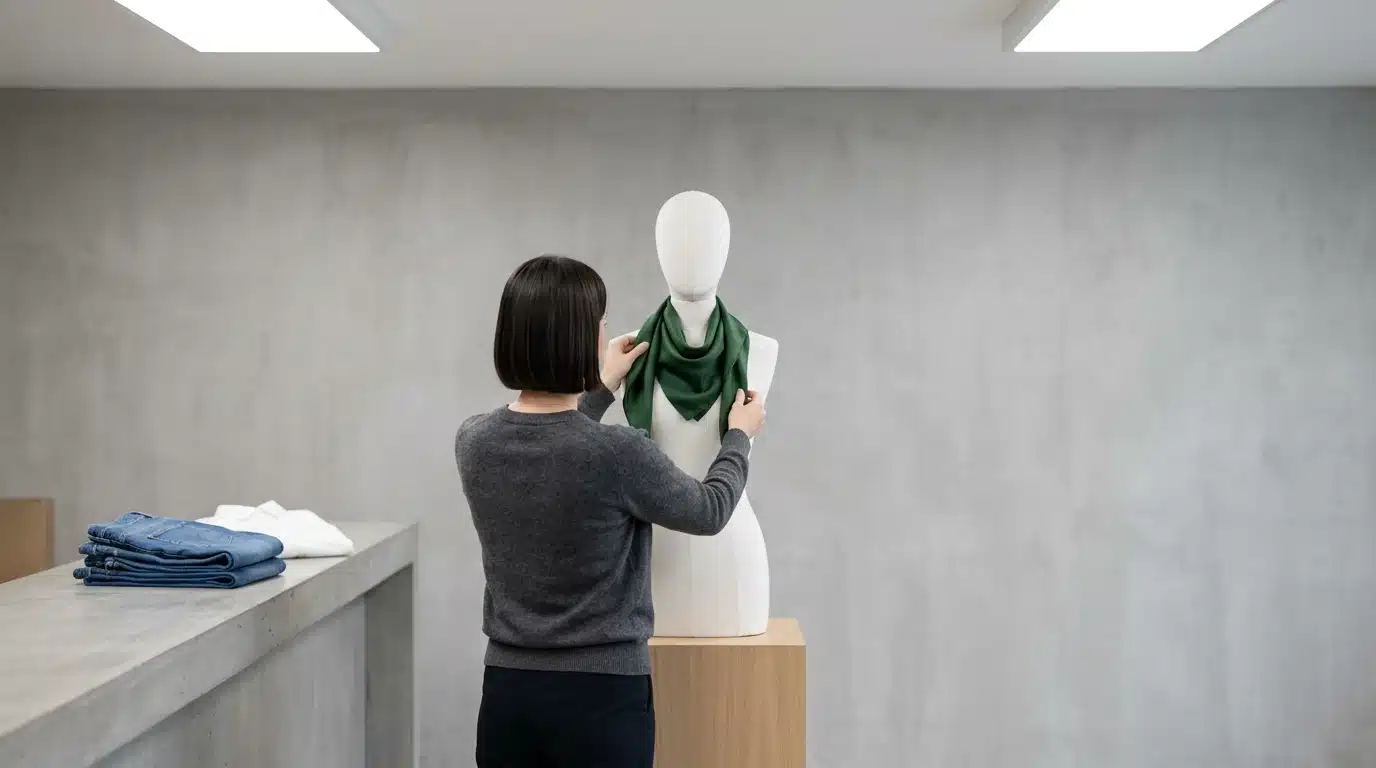
Your outfit isn’t finished until you add accessories. They’re the secret weapon for turning a basic look into a statement. A simple white t-shirt and jeans can be just clothes, or they can be a fully realized outfit with the addition of a chunky gold necklace, a vibrant silk scarf, and a structured leather bag. The base stays the same, but the entire message changes. The power is in the details. Think of your accessories as tools for expressing a specific mood or personality. A delicate silver chain whispers elegance, while stacked, colorful bracelets shout fun and creativity. The underrated factor here is how personalizing style happens in these small choices. Bags and shoes are obvious, but what about a vintage brooch on your jacket lapel or a uniquely patterned pair of socks peeking out? Those are the elements that make a look yours. Accessories are also your fastest route to trying out new trends without a total wardrobe overhaul. According to a recent report from Vogue Business, searches for specific accessory styles, like “bolo ties,” can spike over 200% after appearing in a hit TV show. This connection shows how deeply intertwined fashion is with what’s buzzing in celebrity culture and film. You can tap into that energy with a single purchase — a much smaller commitment than a whole new coat. Choosing the right pieces is like seasoning a dish; it’s all about balance and intent. Too little and the look feels bland, but too much can overwhelm the core components. Start by focusing on one outfit elevation point. Maybe it’s a pair of show-stopping earrings or a brightly colored belt that cinches a simple dress. From there, you can build out with more subtle pieces that complement, rather than compete with, your focal point. The goal is to create a cohesive story, not just a random collection of cool things.
Navigating Lifestyle Trends: Fashion for Every Occasion
Your style isn’t just about clothes; it’s your ticket into different social scenes. Nailing the dress code is more than just following rules—it’s about showing you get the vibe of the room before you even say a word. In American culture, the lines are constantly blurring, with streetwear bleeding into high fashion and workwear becoming more relaxed. Getting it right means being able to move between these worlds effortlessly.
The rise of athleisure is the single biggest shift in modern dressing. It’s a direct reflection of the latest buzz in celebrity culture, where comfort now equals cool. But how do you know when luxury sweatpants are okay and when they’re a major social foul? The key is mixing high and low. Think of it like making a great playlist; you need a balance of tempos. Pair those high-end sneakers with a structured blazer, or throw a leather jacket over a simple hoodie and leggings. This is your new daily uniform.
From Casual to Chic: Adapting Your Look
Transitioning an outfit from day to night is a skill every modern person needs. It’s not about a complete wardrobe change in your car. It is about strategic swaps. That simple cotton t-shirt and jeans you wore for errands can become dinner-ready with the addition of heeled boots, a statement necklace, and a bolder lip color. The underrated factor here is fabric. A silk camisole under a work blazer, for example, is instantly ready for after-work drinks once the blazer comes off.
The numbers back this up. A recent report from the NPD Group highlighted that sales for “versatile apparel”—items that can be worn for both athletic and leisure activities—have grown by over 40% in just a few years. This isn’t just a fleeting moment; it’s a basic change in how we approach our daily American lifestyle and fashion choices. People want clothes that work as hard as they do, moving from a morning coffee run to a client meeting and then to a casual dinner — sometimes all in the same outfit.
Understanding Dress Codes: What to Wear When
Deciphering an invitation’s dress code can feel like cracking a secret message. Getting it wrong is a quick way to feel out of place. While rules are becoming more flexible, the basic categories still provide a valuable guide for what’s expected. Knowing the difference between “Cocktail” and “Black Tie Optional” can save you a lot of social anxiety.
Here’s a quick breakdown to keep you on track:
- Casual: This is your everyday style. Think well-fitting jeans, clean sneakers, t-shirts, and sweaters. The goal is to look comfortable yet put-together, not like you just rolled out of bed.
- Smart Casual / Business Casual: A step up from casual. Swap the jeans for chinos or tailored trousers. A button-down shirt, a polo, or a stylish blouse works well. Blazers are your best friend here, as they instantly elevate any look (and yes, that includes over a clean, non-graphic t-shirt).
- Cocktail (or Semi-Formal): Time to get a little fancier. For men, this means a suit, not necessarily with a tie. For women, a chic dress—like a little black dress or a silk midi skirt—or a stylish jumpsuit is perfect. It’s polished and festive without being overly formal.
- Black Tie / Formal: This is for significant events like weddings or galas. Men are expected to wear a tuxedo. Women should opt for a floor-length gown or a very elegant cocktail dress. There is less room for interpretation here, so it’s best to stick to tradition.
Ultimately, these dress codes are just a starting point. The most stylish people use them as a framework, injecting their own personality to make the look their own. The real art is in mastering the rules so you know exactly how to bend them.
Beyond the Blueprint: Your Style as an Ongoing Conversation
Mastering modern style isn’t about reaching a final destination where your wardrobe is ‘complete.’ The pieces and principles discussed here are not a rigid set of rules, but a flexible foundation for a lifelong practice. True style is a living, breathing part of your identity that evolves as you move through different jobs, cities, and life stages. The goal isn’t to build a perfect, static collection, but to cultivate a relationship with your clothes where your wardrobe supports and expresses the person you are today.
The most stylish individuals are those who are not afraid to edit, experiment, and adapt. They understand that their closet is a tool for self-expression, not a museum of past trends. As you continue on your journey, the real challenge lies in staying curious and intentional. As your life inevitably changes, what part of your style will you consciously carry forward, and what will you be brave enough to let go of?
Frequently Asked Questions About Modern Style
How can I find my personal style if I’m a beginner?
Start by observing what you already own and love. Identify the colors, fits, and fabrics that make you feel most confident. Use this as your starting point, and create a mood board with images that inspire you to find common themes.
What are the absolute must-have items for a modern capsule wardrobe?
A modern capsule wardrobe should include a perfect white t-shirt, well-fitting dark-wash jeans, a classic trench coat or overcoat, neutral knitwear, and minimalist white sneakers. These foundational pieces offer maximum versatility for countless outfits.
How do I incorporate current trends without overspending?
Focus on accessories to experiment with trends. A trendy handbag, a unique piece of jewelry, or a stylish scarf can update your look for a fraction of the cost of a whole new outfit. Thrifting is another great way to try trends on a budget.
Are there any ethical fashion brands that are also budget-friendly?
While it can be challenging, look for brands that prioritize transparency and use sustainable materials like organic cotton or recycled fabrics. the most budget-friendly and ethical approach is often shopping secondhand at thrift or consignment stores.
What’s the best way to care for my clothes to make them last longer?
Proper care is required for longevity. Wash your clothes in cold water, avoid using the dryer whenever possible, and learn basic mending skills like sewing on a button. These simple habits will significantly extend the life of your garments.