From Screen to Street: How Celebrity Style Shapes Modern Fashion Narratives
Anúncios
Have you ever watched a movie or binged a series and found yourself immediately searching for the main character’s coat? Or have you seen a red carpet photo and felt an instant, magnetic pull toward a specific color or silhouette? This experience isn’t a coincidence; it’s the engine of modern fashion. The journey from a celebrity’s wardrobe to your own is faster and more direct than ever, transforming fictional worlds and one-night-only events into global retail phenomena. What was once a slow trickle of influence from couture houses has become a high-pressure firehose of trends, flowing directly from our screens to our closets.
This powerful connection is orchestrated by a team of unseen architects: visionary stylists, meticulous costume designers, and savvy brand strategists. They understand that a celebrity outfit is more than just clothing; it’s a narrative device, a cultural statement, and a powerful marketing tool all rolled into one. From the instant virality of a single red carpet look amplified by social media to the slow-burn obsession with a character’s season-long wardrobe, these moments are carefully designed to capture our imagination and, ultimately, our spending power. The psychology is complex, but the result is simple: what they wear, we want.
Anúncios
This article pulls back the curtain on how celebrity style shapes our fashion landscape. We will dissect the ‘Red Carpet Ripple,’ examining how A-listers ignite trends that are copied by fast-fashion retailers within days. We’ll explore the ‘Bridgerton Effect’ and the ‘Quiet Luxury’ of shows like Succession to understand how on-screen wardrobes dictate our dress codes. we’ll track the evolution of celebrities into full-fledged lifestyle gurus, decode how to replicate high-end looks on a budget, and look ahead to a future where digital catwalks and sustainability are the new markers of glamour.
The Red Carpet Ripple: How A-Listers Ignite Trends
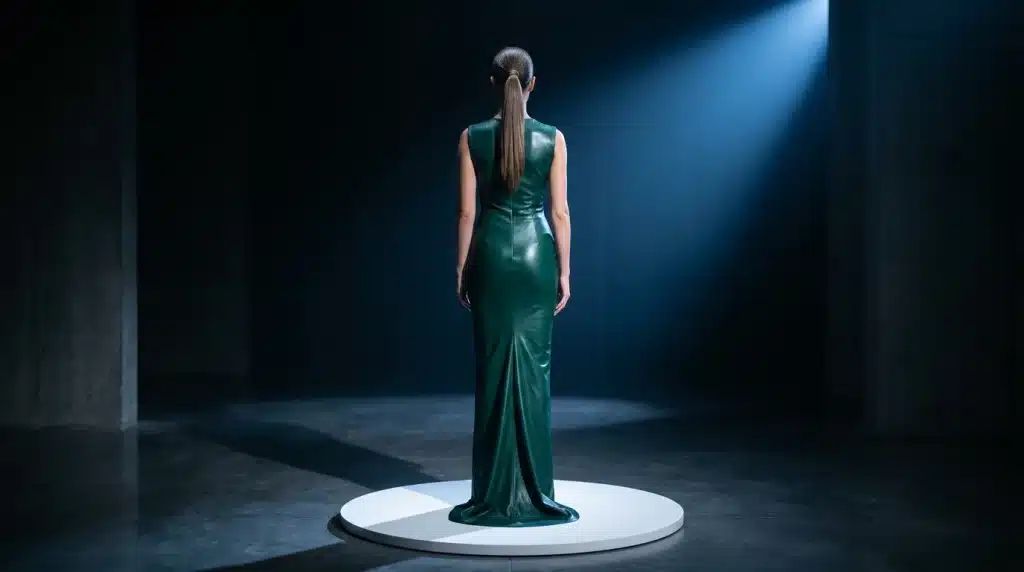
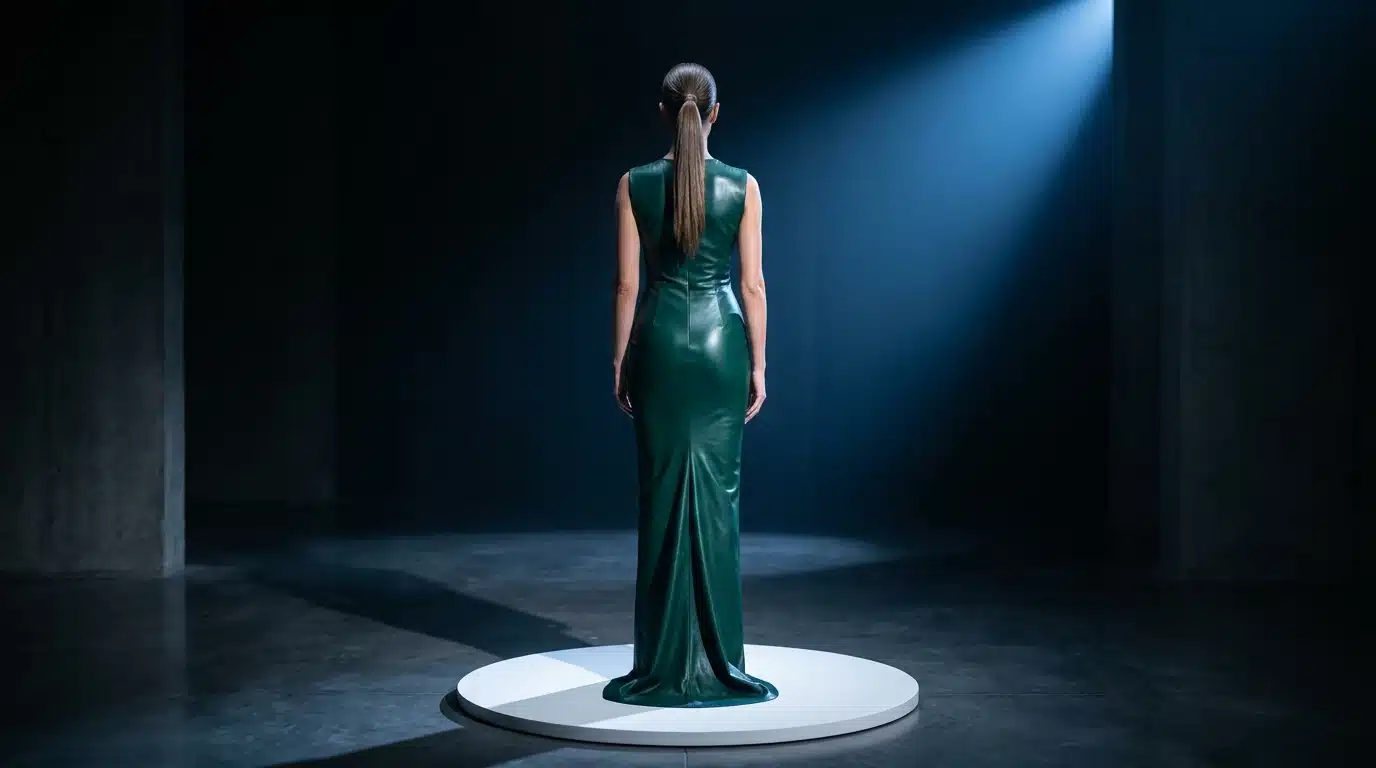
Forget fashion week. The real trends now explode from a single red carpet photo. What an A-lister wears for one night can dictate what millions wear for the next year, creating a powerful and immediate connection between celebrity culture and consumer behavior. This isn’t just about looking good; it’s a calculated move that shapes the entire fashion industry. The process is deceptively simple. A celebrity, guided by a visionary stylist, chooses an outfit that tells a story. Think of Zendaya’s stunning, custom Balmain “wet look” leather dress at the Venice Film Festival. It wasn’t just a dress; it was a cultural moment, a piece of art that perfectly captured the sci-fi aesthetic of her film, *Dune*. The result was pure internet gold. That single appearance acted as a high-powered launchpad for a global trend.
Instant Impact: Viral Moments and Social Media
Within hours, that Balmain look was everywhere. It’s like dropping a lit match into the dry field of social media — the blaze is almost instantaneous. According to reports from fashion analytics firm Trendalytics, online searches for “wet look dress” and “nude leather gown” spiked by an astonishing 780% in the 48 hours following her appearance. This isn’t an accident; it’s a carefully executed strategy orchestrated by stylists like Law Roach, who understand the psychology behind celebrity influence and how to generate maximum buzz. This immediate viral firestorm quickly translates into real-world sales. Fast fashion brands rush to produce their own interpretations, making high-fashion concepts accessible to the masses in record time. Suddenly, elements of that one-of-a-kind couture dress appear in online stores and high-street shops. But is the power solely with the star, or does the stylist hold the true influence? What’s clear is that the right combination of celebrity, stylist, and statement outfit is the core formula for mastering modern style on a global scale. The initial shockwave of the photo gives way to a long-tail retail tremor that can last for seasons. The ripple effect doesn’t stop with direct copies, either. It influences color palettes, silhouettes, and even fabric choices for upcoming collections. A single celebrity’s choice can legitimize a daring color or a forgotten silhouette, pushing designers and consumers to take new risks. This cycle is a central part of the latest celebrity buzz, demonstrating that a red carpet walk is far more than a simple photo opportunity; it’s the first, critical step in a long commercial journey.
Anúncios
Character Wardrobes: When Film & TV Dictate Dress Codes
Forget the red carpet. The real style wars are won on screen, where character wardrobes become our shopping lists. While A-listers preen for the cameras, it’s the fictional personas they inhabit that embed themselves in our closets. This isn’t just about liking an outfit; it’s about adopting an identity, and the psychology behind why we connect with these trends runs deep. It’s a powerful, and profitable, phenomenon.
Costume designers are the unsung architects of modern style. They build entire worlds with fabric and thread, and we are more than happy to move in. The effect is immediate and measurable.
Beyond the Screen: From Period Dramas to Sci-Fi Chic
The influence of on-screen style isn’t limited to a single genre. From the slick, minimalist tailoring of Mad Men that sent men scrambling for skinny ties to the futuristic leather trenches of The Matrix, a well-executed costume design can revive or even create entire aesthetics. The impact is almost algorithmic. A show hits the streaming charts, and within weeks, fast-fashion retailers are flooded with dupes.
Think about the explosion of 1980s nostalgia fueled by shows like Stranger Things. Suddenly, high-waisted “mom jeans” and scrunchies weren’t just retro throwbacks; they were primary. According to a report by SEMrush, searches for “80s fashion” spiked by over 130% following the release of a new season. This isn’t a coincidence. It’s a direct line from the screenwriters’ room to your online shopping cart.
Case Study: The ‘Bridgerton Effect’ on Regencycore Fashion
No recent show illustrates this better than Netflix’s Bridgerton. The series dropped and almost overnight, “Regencycore” became the dominant aesthetic. It was an absolute fashion frenzy. The show’s romanticized take on 19th-century England—full of empire-waist gowns, delicate pastels, and opulent jewels—provided a perfect escape.
The data backs this up completely. Fashion search platform Lyst reported that within a month of the show’s debut, searches for corsets skyrocketed by 123%. Searches for empire-line dresses jumped 93%, while pearl and feather headbands saw a 49% increase. Brands from fast-fashion giant ASOS to high-end designers like Erdem quickly released collections echoing the show’s sartorial language. This wasn’t just influence; it was a market takeover.
Analyzing the Corset Comeback
The resurgence of the corset is particularly interesting. For centuries, it was a symbol of female restriction. So why did a generation raised on athleisure suddenly embrace it? The modern corset isn’t about painful waist-cinching—it’s about reclaiming a silhouette as a statement of power and aesthetic choice. Worn over a t-shirt or as a standalone top, it’s a piece of historical costume transformed into a badge of contemporary confidence.
It’s less a historical reenactment and more a stylistic rebellion. Designers have noticed, with brands like Dior and Vivienne Westwood making the structured bodice a centerpiece of their collections for years, proving its staying power beyond a fleeting trend.
The Power of Subtlety: Understated Style Icons
But influence isn’t always about extravagant period pieces. Sometimes, the most powerful style statements are whispered, not shouted. Consider the “quiet luxury” or “stealth wealth” movement, arguably propelled into the mainstream by the wardrobe of Shiv Roy in HBO’s Succession. Her uniform of neutral-toned, logo-free, impeccably tailored pieces from brands like The Row, Loro Piana, and Max Mara became a status symbol for a different kind of elite.
This aesthetic is about what isn’t there—no loud branding, no trendy flourishes. It’s a masterclass in communicating power through quality and restraint, a core principle of navigating today’s complex fashion landscape. The appeal is in its subtlety, a fashion IYKYK (“if you know, you know”) that feels more authentic than chasing overt trends. This proves that sometimes, the most influential character is the one whose clothes you notice the least, but whose power you feel the most.
My job isn’t to put a dress on someone. It’s to start a conversation. The clothes are just the first sentence of the story we’re about to tell the world.
— Law Roach, Image Architect
| Avenue of Influence | Key Example | Impact on Consumers |
|---|---|---|
| Red Carpet Events | Zendaya’s ‘wet look’ dress | Creates instant viral moments, driving massive spikes in online searches and inspiring fast-fashion replicas within days. |
| Film & TV Wardrobes | Bridgerton’s ‘Regencycore’ | Establishes entire aesthetic movements, reviving historical styles and dictating dress codes for seasons at a time. |
| Social Media & Lifestyle Brands | Celebrity-owned wellness or home lines | Shifts influence from single outfits to a complete, shoppable lifestyle, blurring the line between personal taste and commerce. |
| Digital & Virtual Spaces | Virtual concerts in Fortnite | Opens new revenue streams through digital assets (NFTs, skins) and establishes style trends in the metaverse, independent of physical garments. |
Influencer Evolution: Celebrities as Lifestyle Trendsetters
The red carpet look was just the beginning. Celebrities are no longer just faces for hire; they are the entire storefront. The focus has pivoted from influencing what you wear to shaping how you live, eat, and decorate your home. This is the core of the modern celebrity lifestyle, where a famous name is attached to a complete vision, from wellness routines to kitchenware.
This shift is powered by social media, which provides a direct-to-consumer pipeline for this cultural change, turning an Instagram feed into a shoppable catalog for an aspirational life. A report from Statista noted the influencer marketing industry’s market size has grown to approximately 22.2 billion U.S. dollars. But is every beautifully filtered post showing a genuine passion project? The underrated factor is the massive team—strategists and marketers—crafting a personal brand style that feels authentic, even when it’s meticulously constructed. It’s a full-time business.
This evolution offers fans a curated path for mastering modern style and beyond. The downside is a marketplace flooded with similar-looking “essentials”—and let’s be honest, some of the product claims are wild. It creates a constant cycle of consumption where the latest buzz isn’t just a new handbag but an entirely new way of being.
Ultimately, discerning what is a genuine extension of a celebrity’s taste versus a well-packaged money play has become a key skill for modern consumers. The line between curator and creator is now virtually nonexistent.
Decoding the Look: Replicating Celebrity Style on a Budget
That red carpet look isn’t as unattainable as you think. While celebrities walk around in outfits costing more than a new car, the core elements of their style can be recreated with a bit of strategy and a sharp eye. The secret isn’t about buying exact replicas; it’s about capturing the essence of an outfit—the silhouette, the color palette, and the overall mood. This is where the real fun begins.
What most people miss is that many high-fashion looks are built on surprisingly simple foundations. Think about it: a celebrity’s viral street-style moment often boils down to a great pair of jeans, a unique jacket, and killer shoes. A recent survey from the Retail Analytics Council showed that 73% of consumers actively search for lower-priced alternatives after seeing an item on a celebrity. The key is to identify the “hero” piece of the outfit and focus your budget there. Is it the perfectly tailored blazer or the statement handbag? That’s your target.
Smart Shopping: Key Pieces and Versatile Staples
Building a celebrity-inspired wardrobe is like stocking a kitchen pantry. You need your versatile staples—the flour, salt, and oil—before you start buying expensive, single-use spices. In fashion, this means investing in high-quality basics like a classic white t-shirt, well-fitting denim, a neutral-toned trench coat, and simple black boots. These pieces are the canvas for recreating countless different looks. Once you have a solid foundation, you can sprinkle in trendier, more affordable items to nail a specific celebrity’s current vibe.
Finding these affordable alternatives—or “dupes”—has become a digital sport. Here’s a simple game plan for hunting them down:
- Break Down the Look: Take a screenshot of the outfit and identify its core components. Is it the wide-leg trousers, the cropped cardigan, or the chunky loafers? Ignore the logos and focus on the shapes and colors. Understanding the psychology behind these lifestyle trends helps you see past the brand.
- Use Visual Search Tools: Apps like Google Lens or Pinterest’s visual search allow you to upload a photo and find visually similar items across hundreds of online stores. This is the fastest way to find a dupe for that specific floral dress or geometric handbag (yes, even in that exact shade of periwinkle).
- Master Keyword Search: Get descriptive with your search terms. Instead of “Hailey Bieber’s jacket,” try “oversized distressed brown leather bomber jacket.” The more specific you are, the closer you’ll get to a match. Learning to describe fashion is a core part of navigating today’s style landscape.
- Thrift and Consign: Don’t underestimate second-hand shops. You can often find high-quality, unique pieces from past seasons that perfectly align with current trends. Many celebrity looks, after all, are just recycled versions of ’90s or Y2K fashion.
This process isn’t just about saving money. It’s about developing your own stylistic eye and feeling the satisfaction of creating a high-impact look with your own creativity.
The Future of Style: What’s Next in Celebrity-Driven Fashion?
Celebrity influence isn’t just changing; it’s fragmenting into a thousand digital pieces. The single, monolithic trend pushed by a handful of A-listers is dead. What’s replacing it is a faster, more chaotic, and surprisingly personal ecosystem where technology and ethics are the new currencies of cool. The future is less about what celebrities wear and more about *how* and *where* they wear it.
Digital Catwalks and Virtual Influencers
The red carpet is no longer just physical. Celebrities are now building style narratives in purely digital spaces, blurring the lines between reality and simulation. We’re seeing the rise of digital doubles and virtual fittings, where an actor can “wear” a dozen haute couture looks for a social media campaign without ever touching the fabric. It’s a major shift for accessibility and creativity. This digital shift is one of the key developments shaking up celebrity culture right now. This isn’t just a gimmick. It represents a core shift in how fashion is consumed and promoted. The data suggests this is more than a passing phase.
The Metaverse’s Role in Fashion
Think of the metaverse as the new Rodeo Drive. A recent report from analysts at Morgan Stanley projects that the market for luxury digital assets and NFTs could swell to over $55 billion in the coming decade. Celebrities are already capitalizing on this, hosting virtual concerts in games like Fortnite where their avatars are decked out in exclusive digital merch. For instance, when a major pop star partners with a brand like Balenciaga for an in-game “skin,” it generates millions in revenue and immeasurable cultural cachet — all without a single stitch of physical clothing. What does it mean when a digital handbag sells for more than its real-world counterpart? This is the question brands and stars are currently grappling with.
Sustainability as the New Glamour
For years, luxury was defined by newness and excess. That definition is being aggressively rewritten. Today, the most powerful statement on the red carpet isn’t a custom-made gown; it’s a vintage piece with a story or a design from a verified ethical source. Sustainability has officially become a status symbol. This is where celebrity influence becomes a powerful tool for change. When a major star wears an upcycled gown to the Oscars, it sends a message to millions of followers that conscious consumption is the ultimate form of style. It’s no longer just about looking good, but about feeling good about the clothes you wear.
Celebrities Championing Ethical Fashion
Stars like Zendaya and Emma Watson have become prominent advocates for sustainable fashion, frequently choosing vintage pieces or highlighting designers who prioritize ethical production. For example, during a recent press tour, one actress exclusively wore archival looks, proving that “re-wearing” fashion is a power move. This move forces a conversation about the lifecycle of a garment. It’s a stark contrast to the fast-fashion cycle and offers a tangible path for viewers who want to start navigating today’s fashion landscape more responsibly. The underrated factor here is that it makes high fashion feel more attainable and less disposable.
Personal Branding vs. Brand Endorsements
The old model of a celebrity simply being a “face” for a brand is quickly becoming obsolete. The new frontier is ownership and co-creation. Stars are no longer content to just borrow the clothes; they want to build the entire house. It’s like the difference between listening to a pre-made radio station and carefully curating your own Spotify playlist — one is passive consumption, the other is active creation. This shift changes the entire power dynamic between celebrity and corporation. Rihanna’s Fenty empire is a primary case study; she didn’t just endorse a makeup line, she identified a massive gap in the market for inclusive shades and built a brand that reflected her personal values. This is why understanding the psychology behind these cultural trends is so important. Her success demonstrated that authenticity and a strong personal narrative can create a much deeper connection with consumers than a simple ad campaign ever could. We’re seeing this model replicated across industries, from skincare to spirits, proving that the celebrity as a true founder, not just a spokesperson, is the future.
Beyond the Algorithm: Is Personal Style the Final Frontier?
As we move deeper into a world of digital influencers and AI-driven trend forecasting, the very nature of celebrity influence is poised for another dramatic shift. The cycle of seeing, desiring, and buying is becoming more efficient, personalized, and relentless. But this hyper-optimization raises a critical question: in an ecosystem designed to tell us what to want, what happens to genuine personal style? When every trend is served to us on a platter by our favorite star or a perfectly targeted ad, the act of discovery—of piecing together an identity through trial and error—risks becoming a lost art. Perhaps the next true rebellion in fashion won’t be a new silhouette or a vintage revival, but the conscious choice to log off and cultivate a style that can’t be captured by an algorithm.
Frequently Asked Questions
How quickly do celebrity fashion trends impact the general public?
The impact is now almost instantaneous. Thanks to social media, a single red carpet appearance can go viral within minutes, leading to online searches for specific styles spiking by hundreds of percent in under 48 hours. Fast-fashion brands then accelerate this cycle, often producing affordable interpretations of the look in just a few weeks.
Can a single movie or TV show change fashion trends?
Absolutely. A powerful and well-defined on-screen aesthetic can create an entire style movement. Shows like Bridgerton single-handedly launched the ‘Regencycore’ trend into the mainstream, while Mad Men was responsible for reviving mid-century modern tailoring, proving that a single property can have a massive, lasting impact on retail.
What role do fashion stylists play in celebrity influence?
Stylists are the master strategists behind the celebrity fashion machine. They do more than just pick a dress; they build a narrative, forge brand relationships, and craft cultural moments. A great stylist, like Law Roach, understands how to use clothing to tell a story that will generate maximum buzz and define their client’s public image.
Are celebrity-endorsed products always a reliable indicator of quality?
Not necessarily. While many celebrities launch passion projects, an endorsement is fundamentally a marketing tool. The product’s quality can range from excellent to mediocre. Consumers should treat these endorsements as an introduction to a brand, but still do their own research and read independent reviews before purchasing.
How can I identify genuine, lasting trends versus fleeting fads?
Lasting trends often reflect broader cultural shifts, such as the move towards sustainability or the ‘quiet luxury’ aesthetic. They are adaptable and can be integrated into a wardrobe in multiple ways. Fleeting fads, in contrast, are typically centered on a single, specific novelty item, burn brightly on social media, and then disappear just as quickly.