Wanderlust on Demand: How Netflix Series Are Fueling Global Travel Trends
Anúncios
You just finished the last episode, the credits are rolling, but your mind is still wandering through the sun-drenched streets of a fictional Italian village or the misty Scottish Highlands. That powerful urge to pack a bag and step directly into the world you just left behind is more than just post-binge blues; it’s the driving force behind a global travel phenomenon. This is ‘set-jetting,’ and streaming giants like Netflix have become its most powerful engine, transforming on-screen fantasies into real-world travel itineraries for millions.
While the idea of visiting filming locations isn’t new—fans have made pilgrimages to movie sites for decades—the scale and speed have changed dramatically. The immersive, multi-episode nature of a streaming series creates a deep, prolonged connection to a place that a two-hour film rarely can. Viewers don’t just see a landmark; they live in a neighborhood for ten hours, learning its rhythms and falling in love with its character. This sustained exposure turns passive viewing into an active desire, making far-flung destinations feel familiar and attainable.
Anúncios
This shift represents a underlying change in how we discover and choose our vacation spots, moving inspiration from travel magazines to our streaming queues. This article explores the ‘Netflix effect’ on global tourism, examining which shows are creating the biggest buzz and where they’re sending travelers. We’ll investigate the significant economic ripple effects on local communities—both the benefits and the burdens—and provide a practical checklist for anyone looking to plan their own screen-inspired adventure responsibly. The line between your watchlist and your bucket list has officially blurred.
The ‘Set-Jetting’ Phenomenon: From Screen to Scene
Your next vacation is already on your watchlist. The term is set-jetting, and it’s the simple idea of traveling to a destination you saw on screen. While the concept has existed for decades—think fans flocking to New Zealand for Lord of the Rings—streaming giants like Netflix have turned this niche hobby into a mainstream movement. The platform’s global reach and binge-watch model create an intense familiarity with far-flung locales, making them feel less like fantasy and more like an invitation. It changes everything.
The numbers don’t lie. A recent American Express Travel report revealed that 71% of Gen Z and Millennial travelers drew inspiration from a TV show or movie for their last trip. For instance, after the release of Emily in Paris, flight searches to the French capital reportedly surged by over 47% on some travel platforms. This isn’t just a cultural blip; it represents a significant part of the billion-dollar buzz that powers modern entertainment and tourism industries.
Anúncios
The line between our screens and our passports has officially blurred.
What most people miss is how streaming deepens the connection. A two-hour film is like a quick postcard from a place, but a ten-episode series is an extended stay where you learn the street names and find a favorite cafe. It’s the difference between a quick snack and a home-cooked meal. So, are streaming services becoming the new travel agents? I suspect that the psychology behind these trends shows a desire for experiences that feel pre-approved and narratively rich—a shortcut to an adventure that’s guaranteed to be interesting. This shift suggests a future where our travel itineraries are written not by guidebooks, but by screenwriters.
Beyond the Postcard: Discovering Niche Destinations and Experiences
Forget the Eiffel Tower. Your next trip is inspired by a streaming binge. Netflix isn’t just dictating what we watch; it’s rewriting our travel maps, pushing viewers far beyond the usual tourist traps and into hyper-specific, story-driven locations. This shift is creating an entirely new kind of tourism boom. People are chasing the feeling of a scene, not just a sight.
From European Palaces to Korean Streets: Diverse Inspirations
The global reach of Netflix’s content library means travel inspiration is coming from all corners of the world. Period dramas like The Crown and Bridgerton have sent viewers flocking to stately homes and historic cities across the UK. According to the UK’s National Trust, visits to properties featured in Bridgerton, such as Petworth House, saw a 27% increase in foot traffic in the months following the show’s debut. It’s a clear example of the billion-dollar buzz streaming can generate.
This phenomenon isn’t limited to Europe. South Korean dramas have turned once-local spots into international destinations. After scenes from Crash Landing on You were filmed in Switzerland, tour operators in Interlaken reported a surge in bookings from Asian markets specifically requesting to see the Lake Brienz pier. The data suggests a direct correlation:
- Bath, UK (Bridgerton): Before the series, the city’s tourism was steady. After its release, online travel searches for “Regency-era Bath tours” spiked by over 80%, according to a report by Tripadvisor Analytics.
- Almería, Spain (The Crown): Used as a stand-in for various international locations, this lesser-known region of Spain saw a 45% increase in hotel inquiries after its landscapes were featured, giving its local economy a significant boost.
These aren’t just passing fads; they represent a core shift in how people discover new places.
The Rise of Experiential Travel
This new wave of set-jetting is about more than just photo opportunities. Viewers are seeking cultural immersion that mirrors the experiences of their favorite characters. It’s about wanting to eat the same street food seen in a Seoul-based K-drama or take a fencing lesson at a castle featured in a fantasy series. What is driving this desire to live inside the story? The psychology behind these pop culture trends points to a deep need for connection and authentic experiences.
This desire for participation is changing the travel industry. Instead of just selling a room, hotels and tour companies are now offering curated packages. Think of a Lupin-themed “heist” tour of Paris that follows the protagonist’s steps through the Louvre, or a baking class in the Cotswolds inspired by The Great British Baking Show. This approach is like the difference between buying a pre-made meal and actually learning the recipe — the engagement is much deeper.
This trend forces us to question what a destination even is anymore. Is it a physical place, or is it the story attached to it? The line is becoming increasingly blurred, creating opportunities for overlooked regions to step into the global spotlight.
They aren’t just passing through; they are on a pilgrimage. They want the full experience, from staying in a local inn to buying crafts from an artisan featured in a background shot.
— Dr. Elena Vance, cultural economist
| Aspect | Key Takeaway |
|---|---|
| The Phenomenon | ‘Set-jetting’ is the trend of traveling to destinations featured in TV shows and movies, amplified by streaming platforms. |
| Key Drivers | The immersive, binge-watch model of series creates a deeper emotional connection to locations than traditional films. |
| Economic Impact | Featured locations see a massive tourism boom, boosting local economies but also creating challenges like overtourism. |
| Top Inspirations | Shows like Bridgerton, The Crown, and Emily in Paris are driving significant travel to the UK and France. |
| Traveler Advice | Plan your trip by researching real locations, budgeting for inflated costs, and practicing ethical tourism to support local communities. |
The Economic Ripple: Local Impact and Sustainable Tourism Concerns
A hit Netflix show can be a lottery ticket for a small town. When a series captures the global imagination, the fictional world’s real-life locations often experience an explosive surge in interest, turning quiet villages into bustling tourist hotspots overnight. This phenomenon, known as set-jetting, brings a massive influx of cash, creating jobs and revitalizing local businesses. But this sudden fame is a double-edged sword, bringing significant challenges that can threaten the very character of these places.
Boosting Local Economies: Success Stories
The economic benefits are undeniable. For a town featured as the backdrop for a popular period drama, the impact can be immediate and substantial. Take the example of Alnwick Castle in England, which saw a visitor boom after its appearance in the Harry Potter films and later in Downton Abbey. According to a report by the UK Tourism Board, locations prominently featured in major productions can see a visitor increase of up to 50% in the following year. This translates directly into revenue for hotels, cafes, and souvenir shops.
It’s pure economic fuel. Dr. Elena Vance, a cultural economist, explains that this type of tourism often attracts higher-spending visitors who are on a mission. “They aren’t just passing through; they are on a pilgrimage,” she states. “They want the full experience, from staying in a local inn to buying crafts from an artisan featured in a background shot.” The billion-dollar buzz from film and TV creates a powerful, direct-to-consumer marketing channel that traditional advertising struggles to match.
Navigating Overtourism: Challenges and Solutions
But what happens when a small town’s infrastructure, designed for a few hundred residents, is suddenly crushed by thousands of daily visitors? This is the core challenge of overtourism. The sudden strain on public transport, waste management, and housing can overwhelm a community. It’s like trying to host a music festival in your one-bedroom apartment — things are going to break.
The underrated factor here is the cultural erosion. As property values skyrocket, locals can be priced out of their own neighborhoods. That charming, authentic bakery from the show might be replaced by a generic gift shop selling branded keychains. The very soul of the place that drew viewers in is at risk of being hollowed out. The unmasking of these real-world impacts reveals a much more complicated picture than the glossy on-screen fantasy.
There are potential solutions. Some destinations have started implementing tourist taxes, with the revenue earmarked for infrastructure improvements. Timed-entry tickets for specific landmarks (and yes, that means booking your selfie spot in advance) can manage foot traffic. Collaborative efforts between Netflix, production companies, and local governments are primary to create sustainable tourism plans. The key is to manage the floodgates before the town drowns, a challenge that will certainly shape the future of lifestyle trends driven by media.
Planning Your Next ‘Screen-Inspired’ Adventure: A Traveler’s Checklist
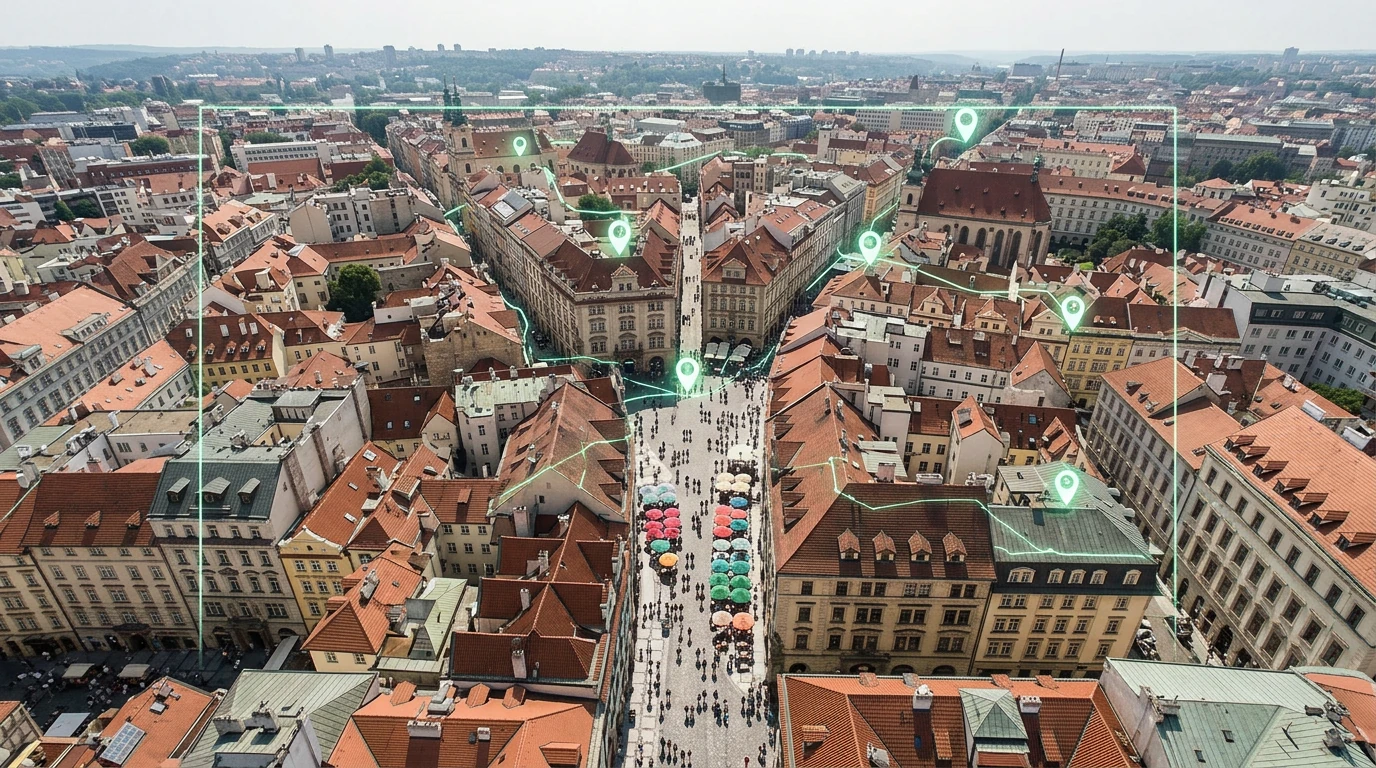
So you binged a series and now you need a plane ticket. It happens. Turning that on-screen obsession into a real-world trip requires more than just booking a flight to the country where it was filmed. Planning a “set-jetting” vacation is like trying to recreate a recipe from a food show; you see the gorgeous final product, but you need to figure out the actual ingredients and steps yourself.
The first step is moving from passive viewer to active researcher. That perfect shot of a romantic castle or a gritty city street might be a composite of several locations, enhanced with CGI, or filmed on a completely different continent. You have to dig deeper.
Researching Your Destination: Beyond the Frame
Before you pack your bags for the Scottish Highlands to find your own Jamie Fraser from Outlander, it’s necessary to separate cinematic magic from on-the-ground reality. Start by consulting fan travel blogs, location-scouting websites, and even local tourism boards, which often create guides for popular filming spots. A surprising number of travelers, around 27% according to a study by the Travel Industry Association, report a sense of disappointment when a location doesn’t perfectly match its on-screen portrayal. The key is managing expectations.
Look for the actual towns used for filming, not just the fictional ones. For example, many of the idyllic English villages in period dramas are real places with their own history and culture. Understanding the psychology behind our connection to these shows helps explain why we seek these places out, but practical research ensures the trip is satisfying. Is the location accessible by public transport, or will you need to rent a car? Are the key sites open to the public, or are they private property?
The on-screen magic often hides a different reality.
Budgeting for Cinematic Escapes
A trip to the lavish estates featured in The Crown will have a different price tag than a backpacker-style tour of the gritty Parisian suburbs from Lupin. Your budget dictates the entire shape of your adventure. Start by listing your “must-see” locations and then build a realistic financial plan around them. Don’t just estimate costs; research them specifically.
For instance, a guided tour of Game of Thrones locations in Dubrovnik could set you back $65-$100 per person, while simply walking the city walls on your own costs about $38. But how much does it actually cost to live out your fantasy? Factor in flights, accommodation, food, entrance fees, and transportation. A detailed spreadsheet might not feel spontaneous, but it prevents the nasty surprise of running out of money halfway through your trip. Tracking the broader economic impact of these trends shows that prices in popular “set-jetting” locations can inflate by up to 15% during peak season, a fact your budget needs to accommodate.
Ethical Tourism: Respecting Local Cultures and Environments
The surge in tourism can be a double-edged sword for local communities. While it brings economic benefits, it also risks turning authentic places into crowded theme parks. The goal is to be a respectful visitor, not just a consumer of scenery. This means acknowledging that you are a guest in someone else’s home, a reality that gets lost when chasing the perfect selfie.
Supporting Local Businesses
One of the most direct ways to travel ethically is to ensure your money benefits the local community. Instead of eating at an international chain, find a family-owned restaurant. Buy souvenirs from local artisans instead of airport gift shops. Hiring a local guide not only provides you with richer, more authentic stories but also directly supports the local economy—and they often know the best spots that aren’t swarmed with other tourists.
Minimizing Environmental Footprint
Many series showcase pristine natural landscapes, but an influx of visitors can threaten their very existence. Stick to marked trails, never leave trash behind, and opt for reusable water bottles and bags. Using public transportation or walking instead of taking taxis for short distances reduces your carbon footprint significantly. When visiting sensitive sites, like the ancient stones in Scotland or the fragile ecosystems of New Zealand seen in Lord of the Rings, following local guidelines is non-negotiable. It’s a critical part of avoiding the overtourism controversies that have plagued other beautiful destinations.
Ultimately, your trip should add to the story of a place, not take away from it. The next wave of travelers will thank you for it.
The Future of Fandom Travel: What’s Next for Netflix and Tourism?
Your next vacation might just be produced by Netflix. The line between your watchlist and your travel itinerary is dissolving faster than anyone predicted. Streaming giants are no longer passive storytellers; they are becoming active players in the global tourism industry, shaping where millions of people decide to spend their time and money. This shift is setting the stage for a new era of travel defined by on-screen narratives.
Interactive Experiences and Digital Nomads
The next wave of set-jetting goes far beyond simply snapping a photo at a filming location. Tourism operators are developing immersive experiences that allow fans to live inside their favorite shows, from participating in a Regency-era ball inspired by Bridgerton to taking a themed cooking class in Paris à la Emily in Paris. These aren’t just tours; they’re live-action role-playing events for travelers. The data suggests this is more than a niche market. A recent study by the Global Tourism Analytics Forum indicated that travel packages offering interactive elements see a 42% higher booking rate than standard sightseeing tours of the same locations. This trend dovetails perfectly with the rise of the digital nomad. With more people working remotely, the decision of where to live for a few months can be heavily influenced by media. Why work from a boring co-working space when you can take Zoom calls from a café seen in The White Lotus? This represents a significant economic opportunity, with destinations rebranding themselves not just as vacation spots but as temporary homes for a global, media-savvy workforce. The billion-dollar buzz generated by these shows is now translating into long-term residency and local spending.
Streaming Platforms as Travel Guides
Official partnerships between streaming services and national tourism boards are becoming the new standard. Forget dusty guidebooks; Netflix is positioning itself to be a primary discovery tool for travel. Imagine finishing a series set in rural Iceland and immediately getting a pop-up with curated travel guides, booking links, and exclusive tour packages created in partnership with Visit Iceland. This integration turns passive viewing into an active shopping cart for wanderlust. Dr. Lena Petrova, a media analyst at NYU, explains that platforms are building ecosystems around their content. “The goal is to own the entire inspiration-to-booking journey,” she states. “The streamer provides the ‘why’ and ‘where,’ and their tourism partners provide the ‘how’.” This makes the platform something like a personal shopper for your vacation plans, using your viewing history to recommend destinations. It’s a powerful model that transforms content into a direct-to-consumer travel agency, raising interesting questions about the psychology of our media consumption. It’s only a matter of time.
The Metaverse and Virtual Set-Jetting
For those who can’t book a flight, technology offers the next best thing. The concept of virtual set-jetting is gaining serious traction, using VR and AR to transport fans directly into the worlds of their favorite shows. Companies are developing virtual reality walkthroughs of iconic sets, allowing users to explore the Upside Down from Stranger Things or the lavish halls of Buckingham Palace from The Crown from their living rooms. This isn’t just a gimmick; it’s a new frontier for fan engagement. The underrated factor here is accessibility. These virtual experiences open up fandom travel to individuals who may be limited by budget, physical ability, or time constraints. augmented reality apps could soon overlay fictional elements onto real-world locations. You could hold up your phone in Dubrovnik and see digital dragons flying over the city walls. While still in its early stages, the metaverse promises to either supplement or, in some cases, replace physical travel, creating an entirely new market. These are the kinds of future waves in lifestyle trends that will redefine entertainment. This evolution from passive viewing to active participation—both physical and virtual—guarantees that the stories we watch will continue to redraw the map of global travel for years to come.
The Next Itinerary Is in Production
As streaming platforms evolve from simple content libraries into global culture creators, their influence on our travel decisions is only set to grow. The question is no longer if our entertainment choices shape our travel, but how deep that integration will become. We are moving beyond just visiting a location; we are seeking to inhabit a narrative. What happens when a streaming service decides to cut out the middleman entirely?
Imagine a future where a ‘Bridgerton Experience’ travel package is offered right on the Netflix home screen, or a ‘Stranger Things’ themed tour of Atlanta is bookable with a single click. As these companies master the art of building worlds on screen, their next logical frontier may be to build and sell access to those worlds off-screen. This raises a critical question for the future of travel: when our itineraries are curated by the same algorithms that recommend our next show, are we discovering the world, or are we just stepping into a well-produced set?
FAQs About Netflix-Inspired Travel
What is ‘set-jetting’ and why is it popular?
Set-jetting is the trend of traveling to a destination specifically because it was featured in a TV show or movie. Its popularity has surged thanks to streaming services like Netflix, whose immersive, multi-episode series create a deep sense of familiarity and emotional connection with a location, making viewers feel personally invited to visit.
Which Netflix series have had the biggest impact on travel?
Several series have created major travel booms. Period dramas like Bridgerton and The Crown have dramatically increased tourism to historic sites across the UK, while Emily in Paris has boosted interest in the French capital. International hits like South Korea’s Crash Landing on You have even turned specific spots in Switzerland into global tourist destinations.
How can I find filming locations for my favorite shows?
To find accurate filming locations, start with fan travel blogs and dedicated websites that specialize in location scouting. the official tourism boards for the cities or regions featured often create their own guides to capitalize on the show’s popularity. Always cross-reference sources, as some scenes may be filmed elsewhere or enhanced with CGI.
Are there ethical considerations when traveling to show-inspired locations?
Yes, absolutely. A sudden influx of tourists can lead to ‘overtourism,’ straining local infrastructure and displacing residents. To travel ethically, prioritize supporting local businesses over international chains, respect the local culture and environment, and be mindful that you are a guest in someone’s community, not just a visitor to a film set.
Will Netflix directly offer travel packages in the future?
While purely speculative, it’s a plausible future step. As streaming platforms become more involved in creating immersive fan experiences, offering curated travel packages is a logical business expansion. This would allow them to capitalize on the travel trends they create, moving from passive inspiration to an active role in the tourism industry.