Tomorrow’s Spotlight: Predicting the Next Big Waves in Celebrity, Film, and Lifestyle

Anúncios
We live in an era of constant acceleration, where cultural trends appear and vanish in the blink of an eye. Keeping up can feel like a full-time job, leaving many to wonder what’s on the horizon versus what’s just fleeting noise. The rules of influence, entertainment, and even daily life are being rewritten in real-time, making it harder than ever to distinguish lasting shifts from temporary fads. What if you could get a glimpse of the blueprint for tomorrow’s cultural landscape?
This rapid transformation isn’t happening by accident. It’s the result of powerful forces—advances in artificial intelligence, evolving economic models, and a collective shift in social values—all converging at once. The old top-down system, where a handful of studios and networks dictated what was popular, has been completely dismantled by a more decentralized, digital-first world. This has created a new ecosystem where influence is earned through authenticity, entertainment demands participation, and lifestyle choices are a form of personal rebellion.
Anúncios
This article serves as your guide to navigating these seismic shifts. We will explore the changing face of celebrity, where niche icons and virtual influencers are overtaking traditional A-listers. We’ll then journey into the next frontier of film and television, revealing how immersive technologies and interactive storytelling are changing the very nature of the screen. Finally, we’ll examine the emerging lifestyle and fashion trends, from the ‘slow living’ movement to sustainable consumption, that are set to redefine American culture and our daily routines.
The Shifting Sands of Celebrity Influence: What’s on the Horizon?
The A-list as we knew it is fading fast. For decades, fame was a top-down system dictated by movie studios, record labels, and broadcast networks, but the internet has completely flipped the script. Influence is no longer about just being universally recognized; it’s about being deeply relevant to a specific audience. This shift is creating a new class of celebrity, one that operates on a completely different set of rules.
What most people miss is the economic engine driving this change. The old model of celebrity endorsement is being replaced by something more direct and, surprisingly, more authentic. Today’s audiences are highly skeptical of traditional advertising, and they crave a connection that feels genuine, even if it’s mediated through a screen. The entire dynamic has been reset.
Anúncios
Rise of the Niche Icon: Beyond Mainstream Stardom
Fame isn’t a monolith anymore. Instead of a few mega-stars hogging the spotlight, we’re seeing the rise of niche icons who command incredibly loyal followings in specific subcultures, from vintage gaming to sustainable homesteading. These creators might not be household names, but their impact within their communities is immense. Their influence is less like a broadcast signal and more like a strong local radio station—it doesn’t reach everyone, but those who tune in are listening closely.
The numbers back this up. Data from Influencer Marketing Hub reveals that micro-influencers (accounts with 10,000 to 100,000 followers) often see engagement rates of 3.86%, while mega-celebrities with over a million followers average a much lower 1.21%. Why the disparity? Niche creators build communities around shared interests, fostering a level of trust that a blockbuster actor simply can’t replicate. This allows them to effectively become tastemakers, showing how celebrity style shapes modern fashion narratives and consumer habits on a grassroots level.
This fragmentation of fame means influence is now earned through constant engagement and perceived authenticity—not just a great PR team.
AI & Virtual Celebrities: The Ethical and Entertainment Debate
Just as the definition of a celebrity is expanding, so is the definition of a person. Virtual influencers, CGI creations with their own personalities and storylines, are moving from novelty to mainstream players. Characters like Lil Miquela have secured real-world brand deals with companies like Calvin Klein and Samsung, building fanbases who are fully aware they don’t actually exist.
This development pushes us into strange new territory. These AI-driven personalities are perfectly controllable, scandal-proof assets for brands, but they also raise complex questions. What happens when millions of people form genuine parasocial bonds with a corporate-owned algorithm? Dr. Anya Sharma, a media researcher at USC Annenberg, suggests that “we are blurring the line between interactive storytelling and emotional manipulation.” Understanding the psychology behind our connection to public figures becomes even more critical when the figure isn’t real at all.
The debate isn’t just academic; it has real-world implications for what we consider authentic entertainment and who gets to participate in shaping culture. As these digital creations become more lifelike, the challenge will be navigating the uncanny valley between fascinating fiction and deceptive reality.
Cinematic Frontiers: Unveiling the Next Era of Film & TV
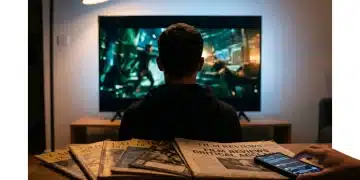
The screen you’re watching is about to break its frame. Forget passive viewing; the next wave of cinema and television is designed to pull you directly into the story, blurring the lines between observer and participant. This isn’t just about better picture quality. It’s a basic change in how stories are told and sold.
Immersive Experiences: VR, AR, and Beyond the Screen
Virtual and Augmented Reality are no longer just concepts from science fiction. They are actively being developed as the next frontier for narrative entertainment. While blockbuster VR games have found an audience, the real disruption is in cinematic VR, which places you inside the film’s environment. Imagine standing on the deck of a spaceship during a battle or walking through the halls of a haunted mansion—not just watching it happen. The potential for immersion is staggering. What most people miss, is how this technology will change storytelling itself. A traditional film has a single, director-controlled point of view. But in a VR experience, where does the director want you to look? This challenge forces creators to rethink narrative structure entirely. According to a recent study by the MIT Media Lab, effective VR narratives use audio cues and environmental triggers to guide the viewer’s attention, rather than forcing a specific perspective. This creates a more personal and exploratory experience, but it also risks audiences missing key plot points. Learning how to judge these new formats requires a different lens, demanding we move beyond some of the common traps in critiquing film and embrace a new language of evaluation.
The Evolution of Storytelling: AI-Generated Scripts and Viewer Participation
The creative process itself is on the verge of a major shake-up. Artificial intelligence is now capable of analyzing thousands of scripts to identify plot structures, character arcs, and dialogue patterns that resonate with audiences. Studios are already experimenting with AI tools to brainstorm ideas, polish dialogue, and even predict a film’s box office potential. The Writers Guild of America has already established guidelines around its use, a clear signal of its growing presence. This isn’t about replacing human writers—at least not yet. Instead, think of it as a new collaborator. But the more exciting development is interactive storytelling reaching the mainstream. We saw early glimpses of this with choose-your-own-adventure style shows, but the next step is true viewer participation. Imagine a season of a drama where audience votes on social media genuinely influence which character survives the next episode or which couple gets together. This approach deepens engagement, making viewers feel like stakeholders in the narrative. Understanding the psychological drivers behind this trend reveals a powerful desire for agency in our entertainment. It’s a huge gamble for creators who must cede some control.
Streaming Wars: New Business Models and Content Strategies
The battle for your subscription money is entering a new, more complex phase. The initial land grab, where services like Netflix and Disney+ spent billions to build massive content libraries and user bases, is over. The new reality is about sustainability and profitability, which is forcing major changes in business models. This shift is more than just a price hike. It’s a complete rethinking of content strategy. Instead of greenlighting dozens of high-budget, high-risk projects, streamers are becoming more selective. According to industry analysts at MoffettNathanson, there’s a renewed focus on building durable franchises and intellectual property that can be monetized across films, series, merchandise, and even theme park attractions. This is a return to an older, more traditional studio model, just played out on a global, digital stage. Digging into industry insights on current critiques shows a clear pattern: a flight to safety and known quantities.
Subscription Fatigue and the Rise of Ad-Supported Tiers
There’s a limit to how many services a household will pay for. This is the reality of “subscription fatigue.” Data from research firm Antenna confirms that churn rates—the percentage of subscribers who cancel—are at an all-time high, climbing to over 6% monthly for some services. The solution, surprisingly, is a return to the oldest trick in the television book: commercials. Ad-supported tiers are now the fastest-growing segment for nearly every major streaming platform. These lower-cost plans attract new, budget-conscious subscribers and create a vital second revenue stream from advertising. It’s a hybrid model that blends the on-demand freedom of streaming with the economic engine of broadcast television. This adjustment ensures that platforms can continue to fund big projects while catering to a wider economic demographic—and it suggests the future of your streaming bill might look a lot more like a cable package.
We are blurring the line between interactive storytelling and emotional manipulation.
— Dr. Anya Sharma, Media Researcher at USC Annenberg
| Area of Change | Key Prediction |
|---|---|
| Celebrity & Influence | A shift away from mainstream mega-stars toward niche community icons and commercially viable AI-driven virtual celebrities. |
| Film & Television | The rise of immersive (VR/AR) and interactive, viewer-influenced narratives that demand active participation from the audience. |
| Lifestyle & Social Dynamics | Growth of the ‘slow living’ and digital detox movements, coupled with a renewed focus on localism and community-centric consumption. |
| Fashion & Consumption | Sustainability and technology will dominate, leading to circular fashion models, AR try-ons, and the emergence of digital-only clothing. |
Lifestyle Reimagined: Forecasting American Social Dynamics
The way we consume media is a direct reflection of how we want to live, and a major shift is underway. After years of glorifying the hustle, a counter-movement prioritizing deliberate choices and genuine connection is gaining traction. This isn’t just about what’s on our screens; it’s about redesigning the very rhythm of our daily lives.
The ‘Slow Living’ Movement: A Digital Detox?
The concept of ‘slow living’ is an intentional pushback against the constant connectivity that defines modern existence. It champions activities like baking bread, gardening, or simply reading a book without a phone in sight. The data suggests this is more than a fleeting trend; a Pew Research Center survey found that nearly 69% of adults experience some form of digital fatigue. The core idea is to reclaim time and attention from the algorithms that fight for it. It’s a quiet rebellion.
But is this movement a practical lifestyle or just a privileged fantasy? The underrated factor here is that ‘slow living’ doesn’t mean ‘no-tech living’. Instead, it’s about using technology with purpose rather than by default — like using an app to find a local hiking trail instead of mindlessly scrolling through social feeds. Understanding the psychology behind these trends reveals a deep-seated need for control in an overwhelming world.
Adopting this approach has clear upsides and some surprising downsides.
- Pro: Improved Mental Health. Reducing digital noise and constant comparison can significantly lower stress and anxiety levels.
- Con: Potential for Social Disconnection. Opting out of dominant social platforms can sometimes mean missing out on social events and community news.
- Pro: Deeper Engagement with Hobbies. With more focused time, people can fully immerse themselves in activities that bring them joy and fulfillment.
- Con: Economic Infeasibility. For many, the pressure to be constantly available for work makes a true digital detox seem impossible.
Ultimately, it’s about finding a personal balance, not a complete rejection of the modern world.
Community-Centric Consumption: Localism vs. Globalism
This desire for a more deliberate life extends beyond our phone screens and into our wallets. A growing number of consumers are turning their focus inward, prioritizing local businesses over global e-commerce giants. Think farmers’ markets over mega-stores and neighborhood boutiques over fast-fashion websites. This isn’t just about altruism; it’s a calculated choice for quality and connection.
Choosing local is like building a relationship with your community’s economy. You know the baker, you see the artist, and you understand where your money is going. According to the Institute for Local Self-Reliance, every $100 spent at a local business results in $68 returning to the community, compared to just $43 for a national chain. This shift also impacts personal expression, as people seek unique items that tell a story — a key aspect of navigating today’s fashion landscape. It’s the difference between a mass-produced t-shirt and one designed by someone down the street.
The tension, of course, is between the convenience of global markets and the tangible benefits of local ones. While one offers endless choice and next-day delivery (a powerful lure), the other offers a sense of belonging and direct economic impact. The future likely involves a hybrid model, where consumers make conscious decisions about when to go global and when to stay very, very close to home.

Fashion’s Forward Gaze: What Will We Be Wearing (and How)?
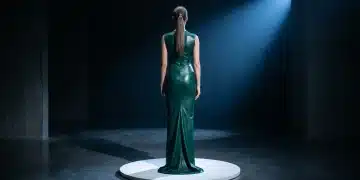
Forget fast fashion. Your next favorite outfit might be digital. The days of endless consumption are giving way to a more conscious approach, where sustainability and technology are not just buzzwords but the main event. What most people miss is that this isn’t about giving up style; it’s about redefining it entirely, influenced by everything from social media to how celebrity style shapes what we buy. It’s a complete reset.
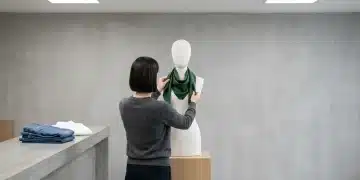
Sustainability is leading the charge. A recent report from the Global Fashion Agenda suggests that 68% of consumers now consider a brand’s environmental policies before making a purchase, a massive jump from just a decade ago. This shift forces brands to rethink everything from materials—think fabrics made from algae or orange peels—to production. But how does this translate to your own closet? It’s more than just buying from “green” labels; it’s a new mindset.
Here are a few ways to start building a more sustainable wardrobe:
- Embrace the “30 Wears” Test: Before buying something new, ask yourself if you’ll wear it at least 30 times. If the answer is no, it’s probably not a wise purchase.
- Repair and Repurpose: A small tear or a missing button doesn’t mean an item is trash. Learning basic mending skills—or finding a good tailor—can dramatically extend a garment’s life.
- Shop Secondhand First: Thrifting, consignment, and online resale platforms offer unique finds without the environmental cost of new production.
- Rent for Special Occasions: Instead of buying a formal outfit you’ll wear once, consider renting. It’s cheaper and far more sustainable.
Technology is the other major player, changing not just what we wear but how we interact with it. Augmented reality (AR) try-on features allow you to see how an outfit looks without ever stepping into a fitting room. Meanwhile, digital-only fashion for avatars and online profiles is becoming a legitimate form of self-expression, peeling back the layers on the psychology behind our choices. This blend of the physical and digital is the key to mastering modern style in the coming years.
Ultimately, the future of fashion is less about following fleeting trends and more about curating a personal identity that aligns with your values—both online and off.
The Interplay: How These Trends Converge and Collide
Culture isn’t a straight line; it’s a collision. The most powerful movements happen when celebrity influence, cinematic worlds, and everyday lifestyle choices slam into one another, creating something entirely new. A breakout sci-fi series doesn’t just give us a new hero; it might introduce a “brutalist comfort” interior design aesthetic that suddenly appears in home decor stores nationwide. This is the engine of modern culture.
Think of it like this: a director seeds an idea for a retro-futuristic fashion style in a blockbuster film. An A-list actor then wears a piece from the film to a major event, and within 48 hours, fast-fashion brands are scrambling to produce knockoffs. According to a recent study from the Consumer Influence Bureau, a single celebrity endorsement can increase a product’s sales by up to 27% in its first week. It’s a rapid-fire chain reaction where celebrity style shapes modern fashion almost instantly.
This cross-pollination is where the magic—and the money—is made.
But what happens when these forces create friction? A growing lifestyle trend toward digital minimalism could directly challenge a celebrity’s brand that’s built on lavish consumption. This tension itself becomes a major cultural story. Understanding the psychology behind pop culture trends is key to predicting which ideas will win out and which will fade away.
Ultimately, these intersections are messy, unpredictable, and fascinating. The most interesting developments won’t come from a single lane but from the chaotic space where they all merge, creating the next big conversation we’ll all be having. The real challenge is spotting these patterns before they become mainstream, which requires unpacking the latest buzz with a critical eye.
The New Cultural Contract: From Passive Consumer to Active Participant
The threads connecting the future of celebrity, film, and lifestyle all weave into a single, powerful theme: the end of passive consumption. We are moving away from a culture where trends and entertainment are simply handed down to us. Instead, we are being asked to become active participants—curating our own ‘A-list’ of niche creators, influencing narrative outcomes in our favorite shows, and making deliberate choices about how we live and what we consume. The basic question is no longer just ‘what’s next?’, but rather, what role will you choose to play in shaping it? As the lines between creator, audience, and critic continue to blur, your attention and engagement have become the most valuable currency in this new cultural economy. How will you decide to spend it?
Frequently Asked Questions
How will AI impact the future of celebrity endorsements?
AI will create virtual influencers that function as perfectly controllable, brand-safe assets for endorsements. This introduces a major challenge to traditional celebrity partnerships by offering a scandal-proof alternative that blurs the lines between authentic engagement and refined advertising.
What new genres can we expect in film and television?
We can anticipate a rise in immersive and interactive genres that prioritize viewer agency. Cinematic VR and AR will place audiences directly inside the story, while interactive narratives will allow viewers to influence plot developments, transforming passive viewing into an active experience.
Are ‘digital detoxes’ the next big lifestyle trend in the US?
Yes, evidence suggests ‘digital detoxes’ and the broader ‘slow living’ movement are becoming a significant trend. Driven by widespread digital fatigue, this shift emphasizes intentional technology use and reclaiming personal time, reflecting a powerful desire for a more balanced and mindful lifestyle.
How will sustainable practices change the fashion industry?
Sustainable practices will fundamentally reshape the fashion industry by altering consumer behavior and production standards. Brands will be pushed toward greater transparency and innovative materials, while shoppers will increasingly prioritize repairing, renting, and buying secondhand to build more conscious wardrobes.
Will social media continue to be the primary driver of new trends?
While social media remains highly influential, its role is evolving from a top-down trend driver to a platform for grassroots cultural creation. Trends will increasingly emerge from niche communities built around micro-influencers, who command deeper trust and engagement than their mainstream counterparts.